

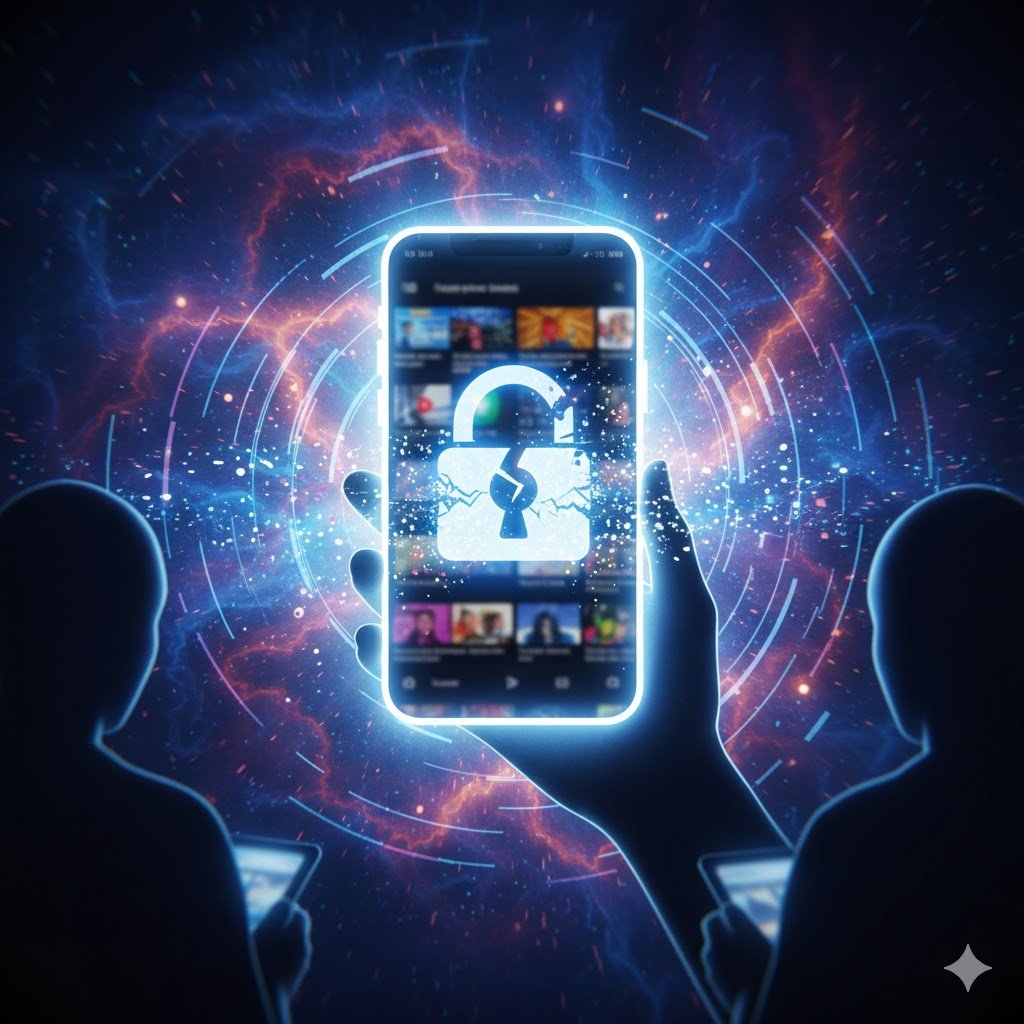
January 1 Viral Video 5 Surprising Truths Behind
In right this moment’s digital period, social media has grow to be one of the vital highly effective instruments for communication, leisure, and data sharing. Platforms reminiscent of Fb, TikTok, Instagram, and X (previously Twitter) now play a serious position in shaping public opinion. Day-after-day, numerous movies go viral, attracting tens of millions of views inside hours. On January 1, a video surfaced on social media that rapidly turned a serious subject of dialogue, spreading quickly throughout a number of platforms.
This text doesn’t goal to focus on or expose any particular person. As a substitute, it focuses on the rising tradition of viral movies, the severe privateness considerations concerned, and the authorized and moral obligations of social media customers and digital publishers.
A video launched on January 1 gained fast traction throughout main social media platforms, triggering widespread dialogue and debate. As with many viral incidents, the velocity at which the content material unfold far exceeded the supply of verified info.
This example highlights a rising difficulty within the digital age: the strain between viral engagement and private privateness.
How a Video Goes Viral on Social Media
When a video is first uploaded on-line, its origin is usually unclear. Many customers share such content material immediately with out verifying its authenticity. Within the case of the viral video that appeared on January 1, an analogous sample was noticed.
Inside a short while:
- The video was reposted on a number of platforms
- Customers made assumptions with out verification
- Remark sections had been stuffed with hypothesis
- The content material unfold sooner than factual clarification
This fast sharing is precisely how a single clip can flip right into a nationwide and even world controversy.
Viral Does Not At all times Imply True
One of the vitalwidespread
misconceptions on social media is:
“If a video is viral, it should be actual.”
This assumption is usually incorrect.
In recent times, the web has seen an increase in:
- Edited or manipulated movies
- AI-generated visuals
- Outdated clips reshared with deceptive context
- Fully faux content material designed for clicks
Due to
this, accountable media retailers usually use phrases like “allegedly” or “reportedly” till official affirmation is obtainable. Publishing unverified claims as information can mislead audiences and injury credibility.

5 Surprising Truths Behind the January 1 Viral Video
Privateness: The Most Ignored Difficulty in Viral Content material
One of the vitalsevereconsiderations
surrounding viral movies is privateness violation. When non-public content material is leaked on-line, the impression goes far past social media tendencies.
Such incidents can have an effect on:
- An individual’s private life
- Psychological well being and emotional well-being
- Skilled profession
- Household and social relationships
Sadly
, many customers focus solely on leisure worth, ignoring the real-life penalties confronted by these concerned. A single viral clip can completely alter somebody’s life.
Cyber Crime and Authorized Perspective
In lots ofinternational locations
, together with Pakistan and others with digital crime legal guidelines, sharing non-public content material with out consent is taken into account a felony offense.
Cyber crime legal guidelines typically cowl:
- Unauthorized sharing of personal information
- Distribution of delicate digital materials
- On-line harassment and defamation
You will need toperceive
that not solely the unique uploader, but in addition those that knowingly share or republish such content material, might face authorized penalties.
Duty of Information Web sites and Content material Creators
Digital publishers, bloggers, and information web sites carry larger duty than particular person customers. Serps and promoting platforms reminiscent of Google AdSense have strict insurance policies relating to:
- Express or dangerous content material
- Character assassination
- Sensationalized clickbait
Web sites
that prioritize consciousness, training, and moral reporting usually tend to obtain long-term progress and keep advertiser belief.
Why Do Folks Share Viral Movies So Rapidly?
Psychologists and digital conduct consultants determine a number of causes:
- Curiosity and shock worth
- Concern of lacking out (FOMO)
- Need for engagement and social validation
Nevertheless
, the important thing query stays:
Is each viral video value sharing?
The replyis not any
. Moral duty ought to all the time come earlier than on-line recognition.
The Harm Brought on by Viral Tradition
The trendy
viral tradition has contributed to:
- The unfold of misinformation
- Normalization of on-line harassment
- Lack of belief in digital media
The January 1 viral video turned one other instance of how rapidly content material can unfold with out accountability, whereas the reality stays unsure.
Significance of Being a Accountable Social Media Person
Earlier than
sharing any viral content material, customers ought to ask themselves:
- Is that this content material verified by a dependable supply?
- Does it violate somebody’s privateness?
- Would I be snug sharing this publicly below my actual identification?
Asking these easy questions can stop pointless hurt and digital chaos.
Media Literacy: A Rising Want
Media literacy has grow to be a necessity in trendy society. Customers should discover ways to:
- Differentiate between actual and faux information
- Establish deceptive headlines
- Perceive the results of on-line actions
With outconsciousness
, viral scandals will proceed to dominate social media platforms.
Why Google and AdSense Desire Accountable Content material
Serps
favor content material that’s:
- Informative and useful
- Written with impartial {and professional} tone
- Targeted on public consciousness quite than exploitation
Articles that educate readers about digital security, privateness, and cyber legal guidelines carry out higher in the long term and stay monetization-safe.
The Actuality Behind Viral Content material
Viral recognition doesn’t assure authenticity. With the rise of superior modifying instruments and synthetic intelligence, deceptive or manipulated content material has grow to be more and more widespread.
Customers usually encounter viral movies with out understanding:
-
The unique supply
-
The context
-
Whether or not the content material has been altered
This creates fertile floor for misinformation.
Privateness and Digital Duty

5 Surprising Truths Behind the January 1 Viral Video
Privateness violations on-line can have severe penalties. As soon as non-public content material enters the general public area, it’s practically inconceivable to totally take away. People affected by such publicity might face emotional, social, {and professional} hurt.
Digital duty is not non-compulsory — it’s important.
Conclusion
The viral video launched on January 1 serves as a reminder of how highly effective and harmful social media will be. Whereas viral content material might generate clicks and engagement, it additionally carries severe moral and authorized implications.
Each customers and publishers should perceive that:
- Privateness ought to all the time be revered
- Viral doesn’t equal verified
- Accountable sharing protects people and society
Within the
digital age, one careless click on could cause lifelong penalties. The actual problem will not be








Leave a Reply